Key Findings
- Birds nest under roof tiles where gaps in eaves and roof coverings provide easy access.
- Uncontrolled nesting can lead to damaged roof tiles, blocked drainage, and moisture ingress.
- Long term nesting activity can significantly reduce roof performance.
- Preventative systems such as eaves comb fillers, bird spikes, chimney caps, and acoustic deterrents are widely used in professional roofing to prevent birds nesting under roof tiles.
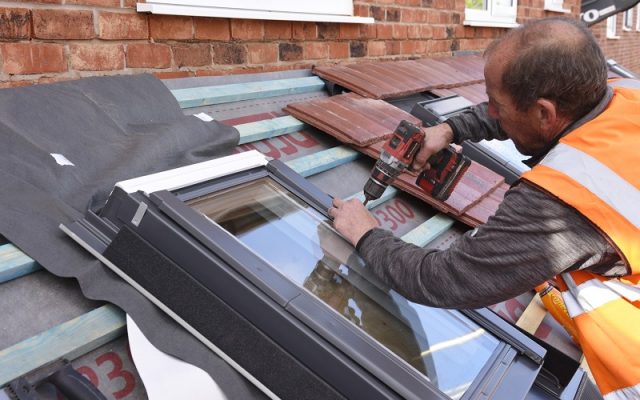
- Bird nesting prevention strategies are most effective when installed during roof construction or repair
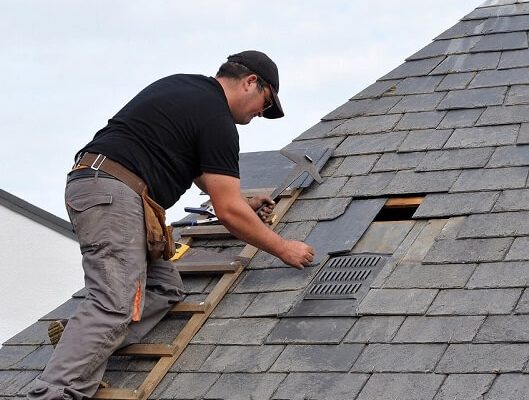
- Birds nesting beneath roof coverings is a common issue across both residential and commercial roofing projects. Gaps at eaves level or displaced tiles can allow birds to access roof voids, where they may build nests that interfere with the integrity of the roof structure.
While birds are an important part of the natural environment, their presence within roofing systems can create maintenance issues for contractors, including tile damage, blocked ventilation paths, and potential water ingress.
In this article, we will explore in more detail how to stop birds nesting under roof tiles. But firstly, it is important to understand why preventing birds from nesting in roof structures matters and the potential impact it can have on long term roof performance.
For roofing professionals, addressing the issue early is essential to maintaining durability and reducing avoidable repair work.
Why Birds Nesting Under Roof Tiles is a Problem
When birds nest under roof tiles, they often disturb or displace materials while creating space for their nests. This can compromise the roof covering and create entry points for water, particularly during periods of heavy rain or wind exposure.
Over time, bird nesting in roof structures can lead to cracked or lifted tiles, reduced weather resistance, and increased risk of leaks. Even small areas of disruption can escalate into more significant structural issues if not addressed.
In addition, bird droppings can contribute to material deterioration. Their acidic composition can gradually wear down roofing surfaces, leading to staining and a reduced lifespan of tiles and coatings. Where birds continue to roost or return to the same location, this process can accelerate.
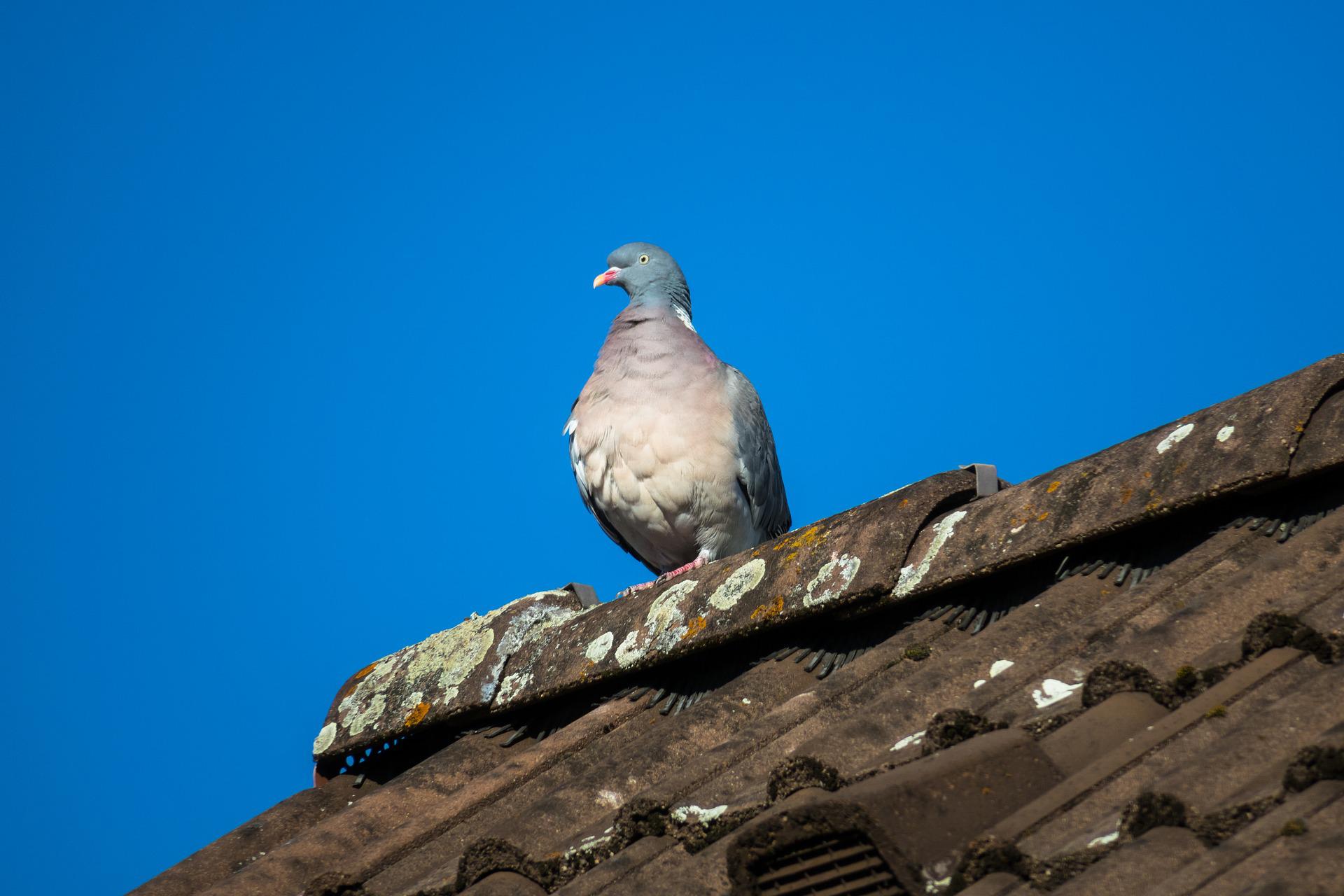
How To Prevent Birds Nesting Under Roof Tiles
The most effective way to stop birds nesting in roof areas is to prevent access to roof voids in the first place. In professional roofing, this is typically achieved through a combination of physical barriers and targeted deterrents.
Eaves Comb Fillers
Eaves comb fillers are one of the most reliable solutions for preventing birds accessing roof tiles at eaves level. They are typically made from durable plastic and are installed along the eaves to fill the profile gaps created by roof tiles.
These gaps are a common entry point for birds, particularly smaller species. The comb-like design blocks access while still allowing airflow into the roof space, which is essential for maintaining proper ventilation.
Because they are fitted at the lowest edge of the roof, eaves comb fillers act as a first line of defence and are most effective when installed during new builds or roof refurbishments.
Bird Spikes
Bird spikes are narrow strips fitted with upright rods, usually made from stainless steel or UV-stabilised plastic. They are installed on surfaces where birds tend to land, such as ridge tiles, parapets, or ledges.
Rather than harming birds, spikes work by making it difficult for them to find a stable place to perch or begin nesting. This discourages repeated visits and reduces the likelihood of birds settling in the area.
They are particularly useful on exposed roof areas where physical barriers like eaves fillers are not applicable.
Chimney Caps
Chimney caps are protective coverings fitted over the top of chimney pots. They are usually made from metal mesh or solid capping systems designed to allow ventilation while preventing entry.
Open chimneys provide an ideal nesting location due to their vertical shelter and protection from predators. A chimney cap prevents birds from entering while still allowing smoke or airflow where required.
They also help prevent leaves, debris, and rainwater from entering the chimney, making them a practical addition during roof maintenance or upgrades.
Acoustic and Visual Bird Deterrents
Acoustic deterrents are electronic devices that emit high-frequency sounds or predator calls to discourage birds from nesting nearby. These systems are often used in larger or commercial settings where wider coverage is needed.
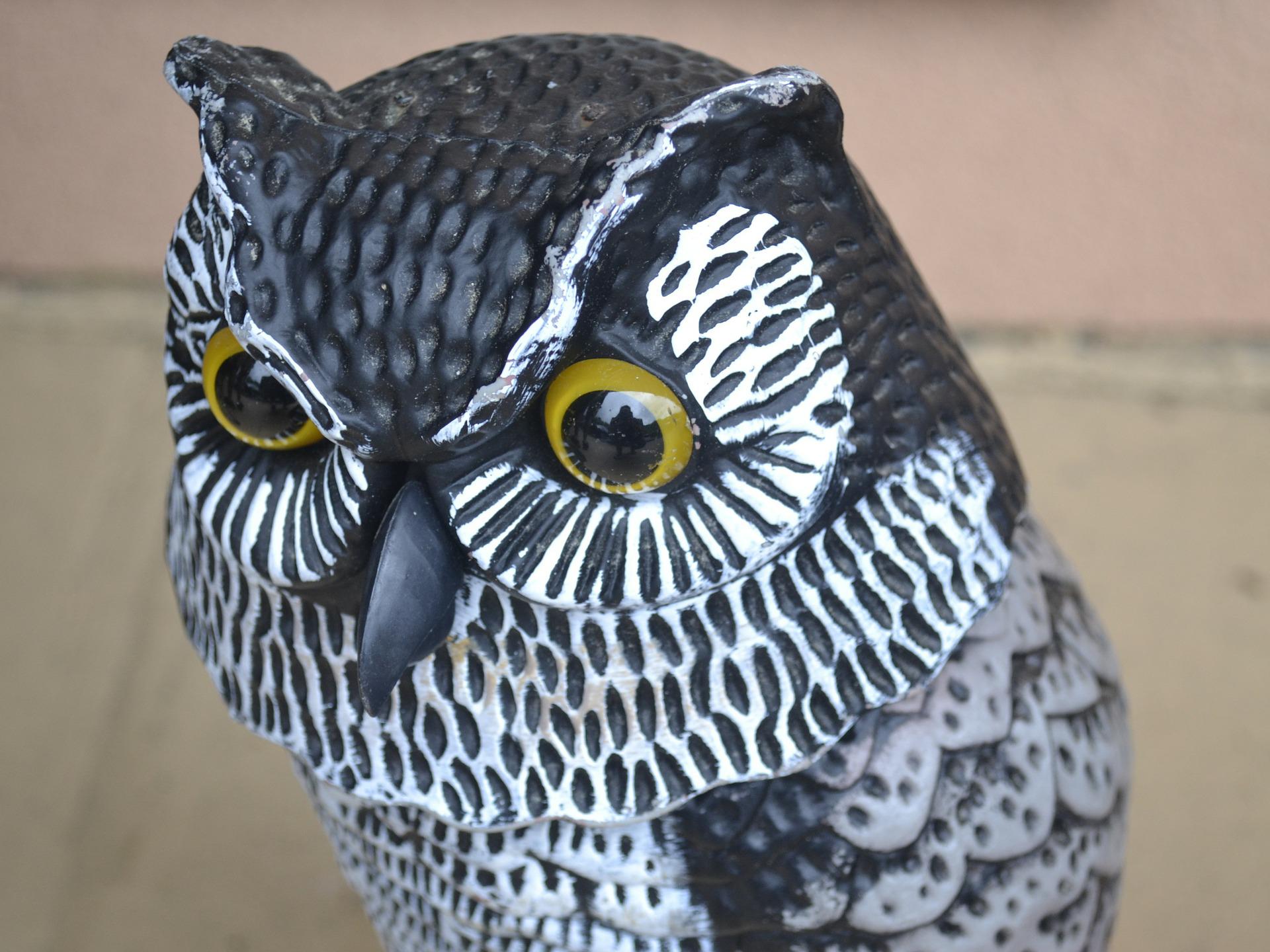
Visual deterrents, such as decoy birds of prey or reflective devices aim to create a perceived threat that discourages birds from approaching the roof area.
While both methods can be effective in certain situations, they tend to work best as supplementary measures. Over time, birds may become accustomed to them, so they are usually combined with physical solutions for more reliable, long-term results.
What To Do If Birds Are Already Nesting
If birds are already nesting in roof areas, it’s important to proceed carefully. Active nests are protected under the Wildlife & Countryside Act 1981, meaning they cannot be disturbed or removed while in use.
In practice, this often means waiting until the nesting activity has finished before carrying out any work. Once the nest is no longer active, the affected area should be inspected for damage, including displaced tiles or compromised underlay.
At this stage, preventative measures can be installed to stop birds nesting under roof tiles in future and reduce the likelihood of repeat issues.
Conclusion
Birds nesting in roof structures can present a range of challenges for roofing professionals, from damaged tiles to increased maintenance requirements. While the issue is common, it is also highly preventable.
By taking steps to prevent access, particularly at eaves level and other vulnerable areas, contractors can significantly reduce the risk of birds nesting under roof tiles and protect long term roof performance.
Dakea supports roofing professionals with durable, high performance roof window solutions designed for modern roofing systems and reliable installation.
Why Dakea?
For roofing professionals, long term performance and installation efficiency are key considerations on any project. Alongside preventing issues such as birds nesting under roof tiles, selecting the right roofing components plays an important role in overall roof durability.
Dakea provides high quality roof window systems designed specifically for professional installers. Their products are developed to integrate seamlessly into modern roofing systems, helping to maintain weather resistance, ventilation performance, and long-term reliability.
For tailored advice on the best solutions for roofing project or to speak with a member of the Dakea team, get in touch with us today.