For trade professionals, a garage conversion is one of the most efficient ways to deliver transformative results for a client. With the main structure already in place, these projects offer a faster turnaround than traditional extensions and a significant boost to a property’s value, often up to 20%.
At Dakea, we know that for builders and developers, success comes down to two things: speed of sign-off and quality of finish. One of the earliest considerations in any garage conversion is whether planning permission is required. In many cases, it is not – but understanding the circumstances where garage conversion planning permission does apply is essential to maintaining compliance and project certainty.
This guide outlines the current UK planning position for garage conversions and highlights design considerations that support efficient approval.
When Is Garage Conversion Planning Permission Required?
In most cases, garage conversions do not require planning permission, as they are covered under Permitted Development Rights in England and Wales. Permitted development allows internal conversions and minor external alterations, provided the works remain ancillary to the main dwelling and do not materially alter the building’s appearance.
Planning permission will be required if a garage conversion:
- Forms part of a larger extension
- Results in a separate dwelling or self-contained annexe
- Involves a listed building, or a structure attached to one
- Is located within a conservation area, national park, or area of outstanding natural beauty
- Is on a site where permitted development rights have been removed
- Involved a change of use from a residential space
In these circumstances, Householder Planning Permission is generally required.
Permitted development rights do not apply to flats or maisonettes. Where a garage is attached to either of these property types, full planning permission will be necessary.
Garage Conversions Under Permitted Development
Under Permitted Development Rights in England and Wales, many garage conversions can be carried out without planning permission, provided the works remain ancillary to the main dwelling and do not materially alter the external appearance of the building.
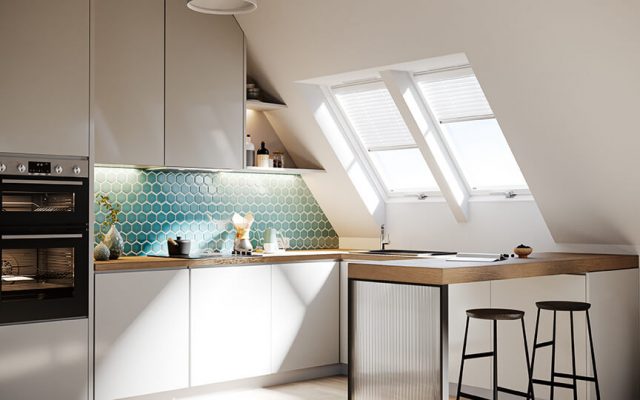
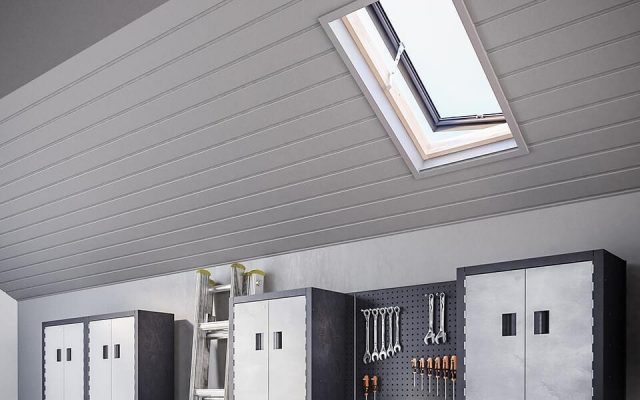
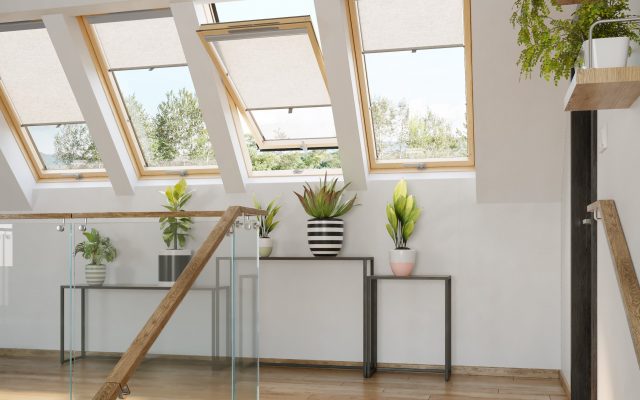
External appearance is often the determining factor. Where elevations facing the highway remain unchanged, planning approval is rarely required. As a result, roof windows are frequently specified to introduce daylight and ventilation while maintaining the existing facade.
Where there is uncertainty, an application for a Lawful Development Certificate can be submitted to the local planning authority to confirm compliance.
How To Apply For Planning Permission
If your project requires planning permission, the process is straightforward:
- Contact your Local Planning Authority (LPA) – Confirm whether planning permission is necessary and the proposed works. Many councils provide pre application advice.
- Prepare Documentation – Typical requirements include:
- Applicant and site details
- Certificate of ownership
- Location plan
- Description of proposed works
- Detailed drawings and materials specifications
- Submit the Application – Householder applications generally cost £258, with an additional £64 service charge if submitted online.
- Await Decision – Standard applications are usually determined within 8 weeks, though larger or more complex projects may take up to 13 weeks.
- Address Feedback – The LPA may request amendments before granting approval.
- Obtain Approval: Once planning permission is granted, the garage conversion can proceed, but building regulations approval is still required.
Designing A Garage Conversion
With planning clarified, the next step is design. Garage conversion ideas focus on making the most of available space while keeping the property compliant. Popular approaches include:
- Home offices or studios with roof windows for natural light
- Gyms, utility rooms, or workshops
- Guest bedrooms or ancillary spaces that don’t change the building’s footprint
By planning layouts carefully and incorporating Dakea roof windows, trade professionals can deliver spaces that are both functional and visually appealing.
Key Considerations for Trade Professionals
Even under Permitted Development, garage conversions must meet several regulatory requirements:
- Permitted development limits: Maximum volumes of 50m³ for attached garages and 70m³ for detached garages; heights must not exceed the existing eaves or ridge; side projections cannot exceed 0.5m.
- Building Regulations compliance: Structural assessments, fire safety measures, insulation, ventilation, and safe electrical systems are mandatory.
- Neighbour and boundary considerations: Compliance with the Party Wall Act is required for work near shared boundaries.
Special care is needed for properties in conservation areas or listed buildings. Materials must match the existing structure, and external changes may require Listed Building Consent or additional planning permission.
Next Steps
Understanding if you need planning permission to convert a garage is just the first step in delivering a successful project. In most cases, garage conversions fall under Permitted Development Rights, allowing internal alterations without full planning permission. However, special designations such as conservation areas, listed buildings, or properties affected by Article 4 Directions may require formal approval.
For trade professionals, the key to smooth delivery is early planning and compliance:
- Check eligibility – Confirm whether the property qualifies under permitted development rules or requires planning permission.
- Engage the right experts – Structural engineers, architects, or surveyors can ensure designs meet building regulations and local planning requirements.
- Plan your design carefully – Integrate practical garage conversion ideas, like roof windows from Dakea, to maximise light and functionality without compromising compliance.
- Apply for approvals where needed – Submit planning applications and Building Regulation approvals early to prevent delays or enforcement issues.
By combining careful planning, professional design, and regulatory compliance, builders and architects can deliver high quality, valuable garage conversions that meet client expectations while enhancing property value.
Ready to bring your next garage conversion project to life? Contact the Dakea team today to explore roof window options, expert guidance, and design solutions that elevate your projects.
Garage Conversion FAQs
Do You Need Planning Permission to Convert A Garage?
In most cases, garage conversions fall under Permitted Development Rights, so you won’t need full planning permission. However, certain properties such as listed buildings, homes in conservation areas, or those affected by Article 4 Directions require formal garage conversion planning permission. Always check with your local council before starting work to ensure compliance.
Can I Brick Up My Garage Door Without Planning Permission?
If you are only bricking up the garage door internally, this is usually covered under permitted development, so planning permission isn’t required. For full garage conversions, external changes like new windows, doors, or roof modifications may still need approval.
Will A Garage Conversion Increase My Council Tax?
Typically, a garage conversion won’t significantly change your council tax. However, it may slightly affect your property valuation, depending on the size and type of space added.
Will A Garage Conversion Affect My Property Value?
A well-executed garage conversion can add up to 20% to a property’s value. Popular garage conversion ideas, such as adding a home office, extra bedroom, or studio with roof windows, can maximise the return on investment.
How Will A Garage Conversion Affect My Home Insurance?
Adding a converted garage as a habitable space increases your rebuild value, which may slightly raise your insurance premium. Always notify your insurance company before starting the conversion, and ensure your builder has sufficient insurance coverage for the project.
How Much Does A Garage Conversion Cost?
Straightforward garage conversions typically range between £5,000 and £7,000. Costs increase with structural changes, plumbing, drainage, or adding utilities such as heating and electrics.
What Factors Affect The Cost Of A Garage Conversion?
There are many factors which could affect the cost of a garage conversion. Some include:
- Whether existing foundations need underpinning
- Significant areas of repair required before conversion works can begin
- Raising ceiling height or other structural modifications
- Fees for architects, engineers, or technologists
What Are The Key Steps In A Garage Conversion?
Successful garage conversions involve:
- Making the building envelope watertight
- Floor insulation and damp-proofing
- Wall and roof insulation
- Infilling the garage door
- Installing windows and doors
- Heating and electrics
Are There Any Disadvantages With Converting A Garage?
The advantages of garage conversions usually outweigh the disadvantages. Temporary challenges include noise, disruption, cost, and time, but careful planning and experienced builders will minimise these issues.